Types of Projects
Story Project
The theme for 2026-27 is: Stories Through Artefacts
This theme invites students to uncover powerful human stories hidden inside real historical objects. Through conversations with elders, neighbours, and community members, students will explore how personal lives intersect with larger moments in history – from migration and labour movements to cultural shifts or acts of quiet courage. Each story will be written in first person, giving voice to the person behind the artefact and the world they lived through. More than a storytelling exercise, this theme asks students to become listeners, historians, and custodians of memory.
Because history does not only live in textbooks. It lives in the objects people choose to hold on to.
Teacher Mentors: This is a great project for language and humanities teachers to mentor.
Through this project, students learn to:
- Write for a specific audience
- Tell stories in unconventional formats
- Design and conduct in-depth interviews
- Communicate empathetically
- Understand their city through the lived experiences of others
End Product:
Students tell stories using the “First Person Narrative” format ONLY.
Note: Please note that students participating in the story project are welcome to attend the final CaL Conference if they wish, but they DO NOT get to present at the conference. Selected stories may be published or shared by the CaL team if time permits. Please ensure teacher mentors AND students are aware of this so that they are not disappointed at the end of the CaL cycle.
Research Project
Click here to check the theme choices for Year 2026-27
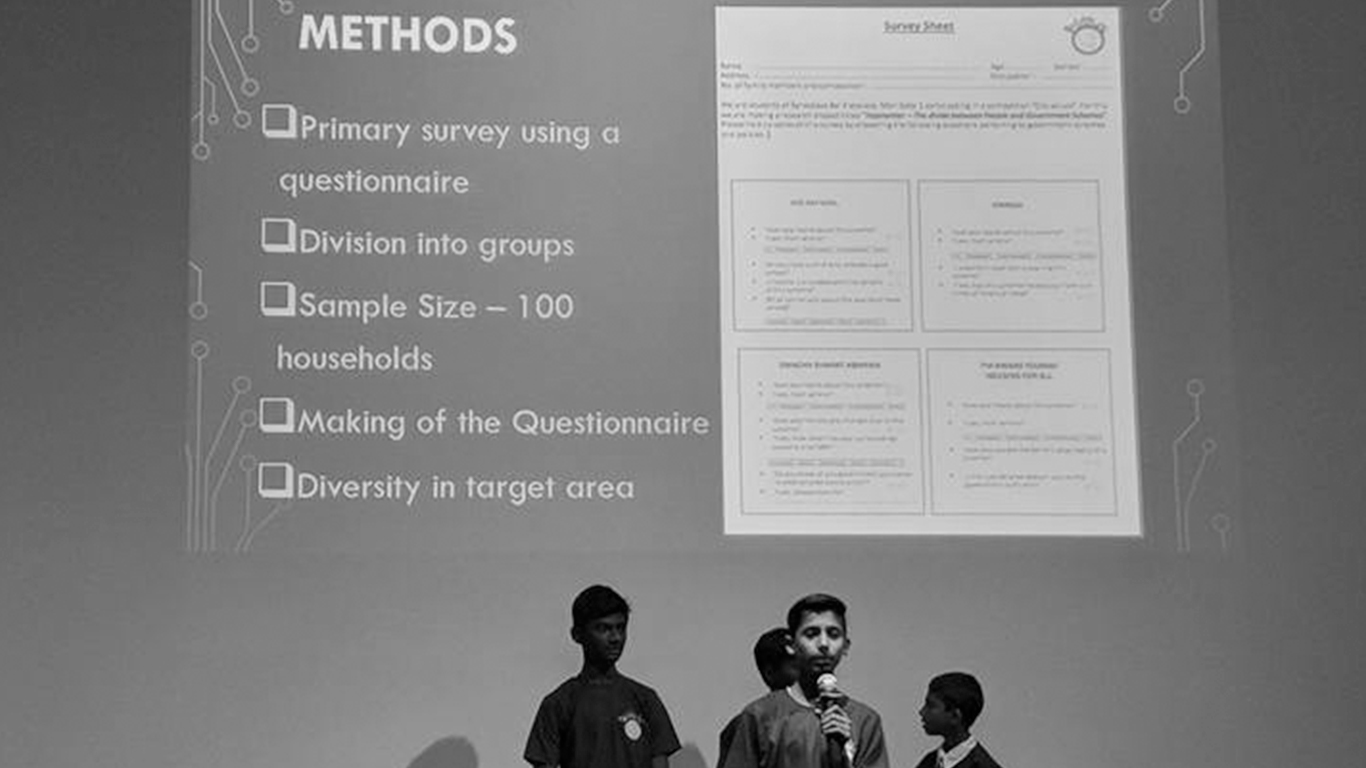
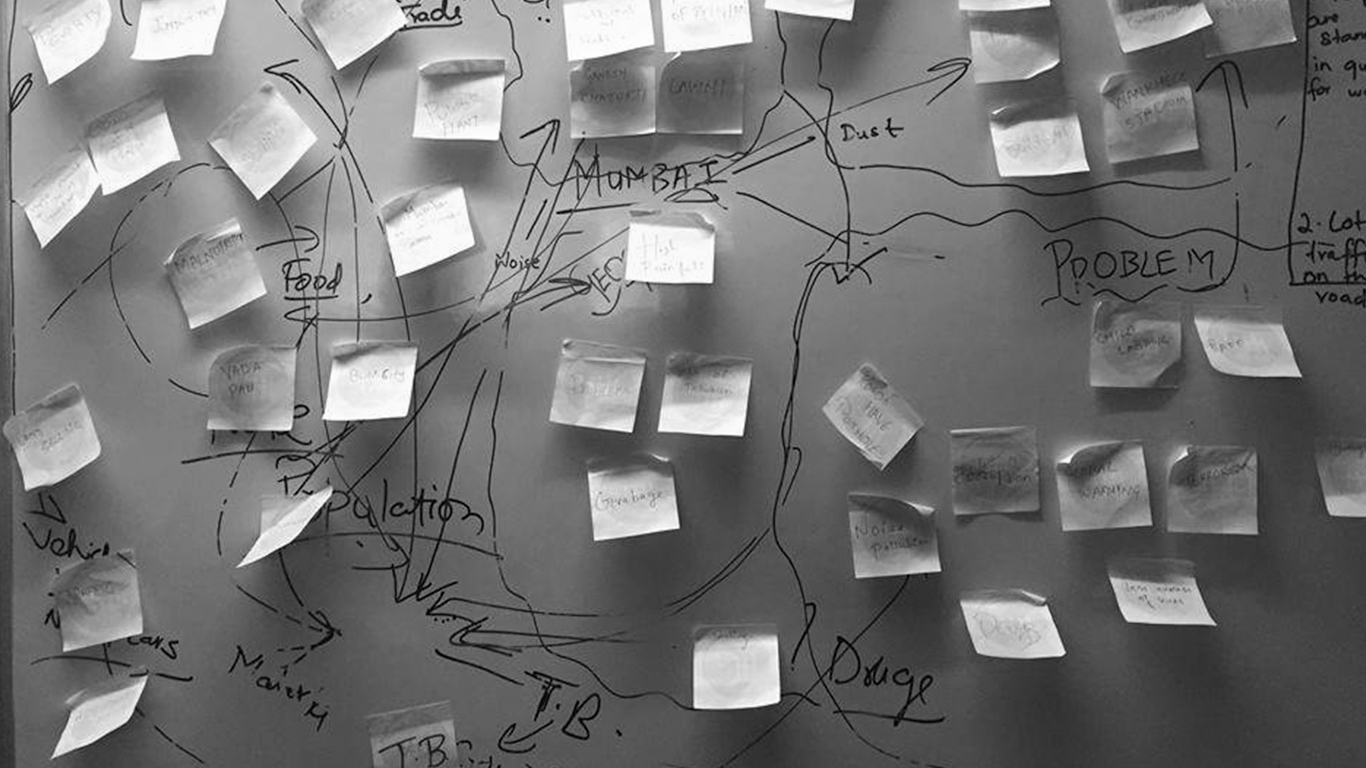
In this project, students ask an original research question about their city, collect and analyze primary and secondary data and present their findings and implications in writing. The research can be qualitative or quantitative and questions can be related to ecological, civic, social or scientific topics relevant to the city students live in.
Selected groups will get a chance to present their research at the annual CaL conference.
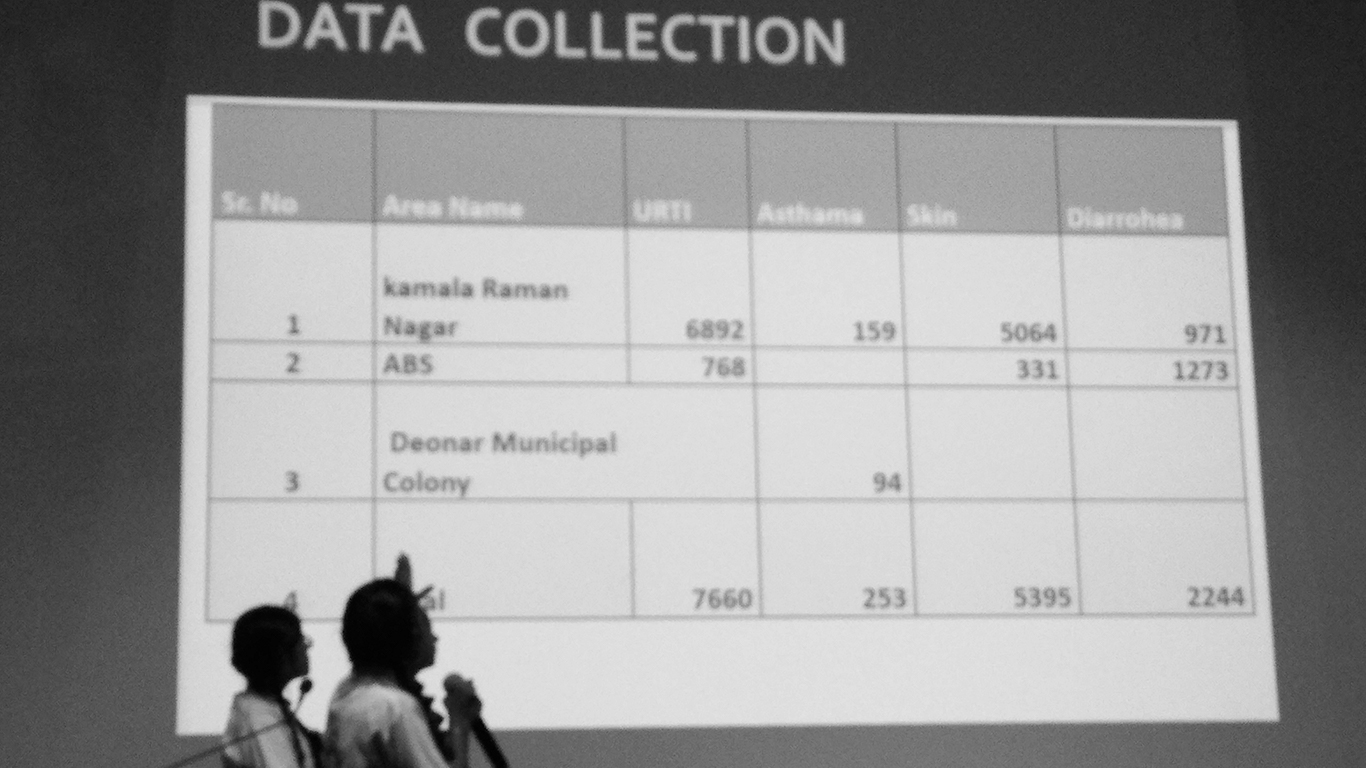
Selected groups will get a chance to present their research at the annual CaL conference.
Teacher Mentors: This is a great project for science, humanities or interdisciplinary teams of teachers to mentor.
End Product: Students submit a written research paper in Hindi or English as per the CaL research project rubric.
Coding Project
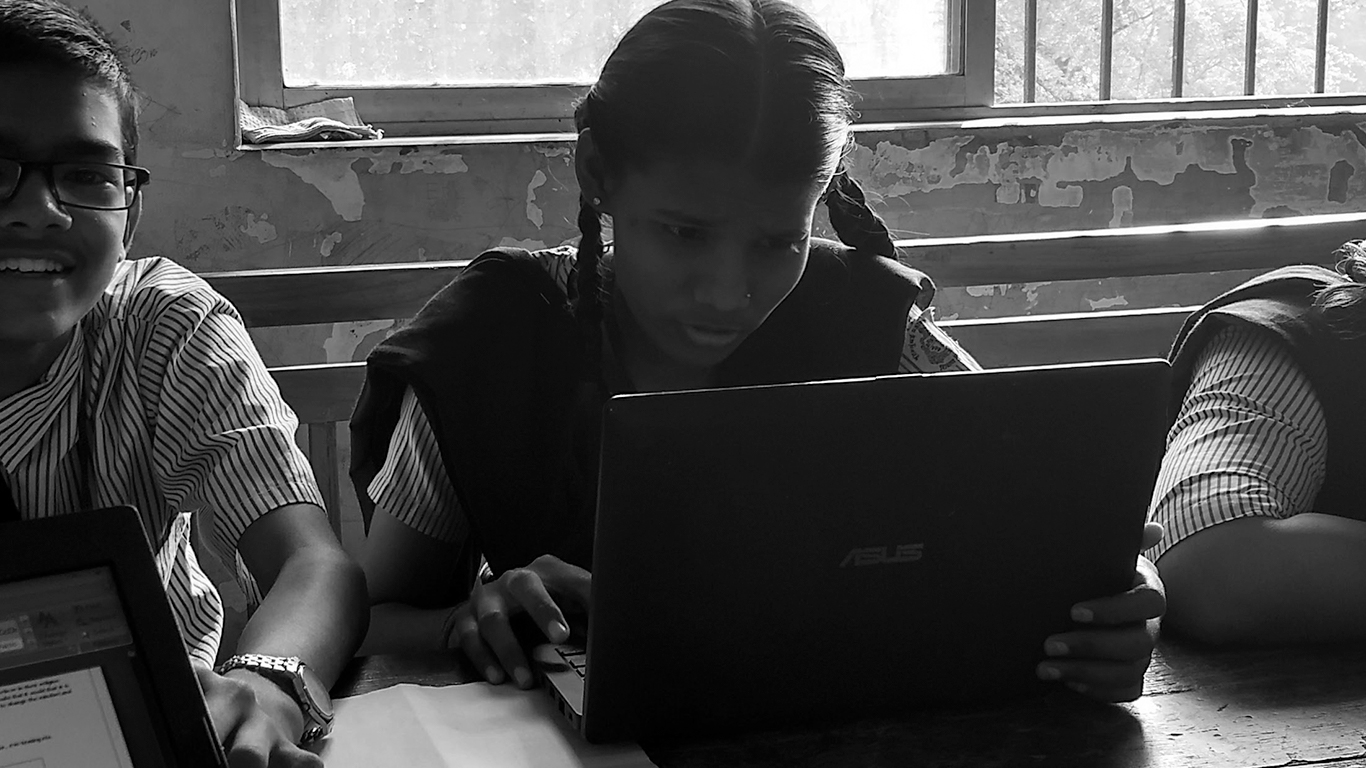
In this project, students create a unique app that helps a group of people achieve an end-goal. Students select a specific end-user for the app, define the problem, design, create and test the app, and present their findings.
Teacher Mentors: This is a great project for technology/coding teachers to mentor.
End Product: Students submit a video outlining the context, process, and findings of using their app as per the CaL coding project rubric
Service Project
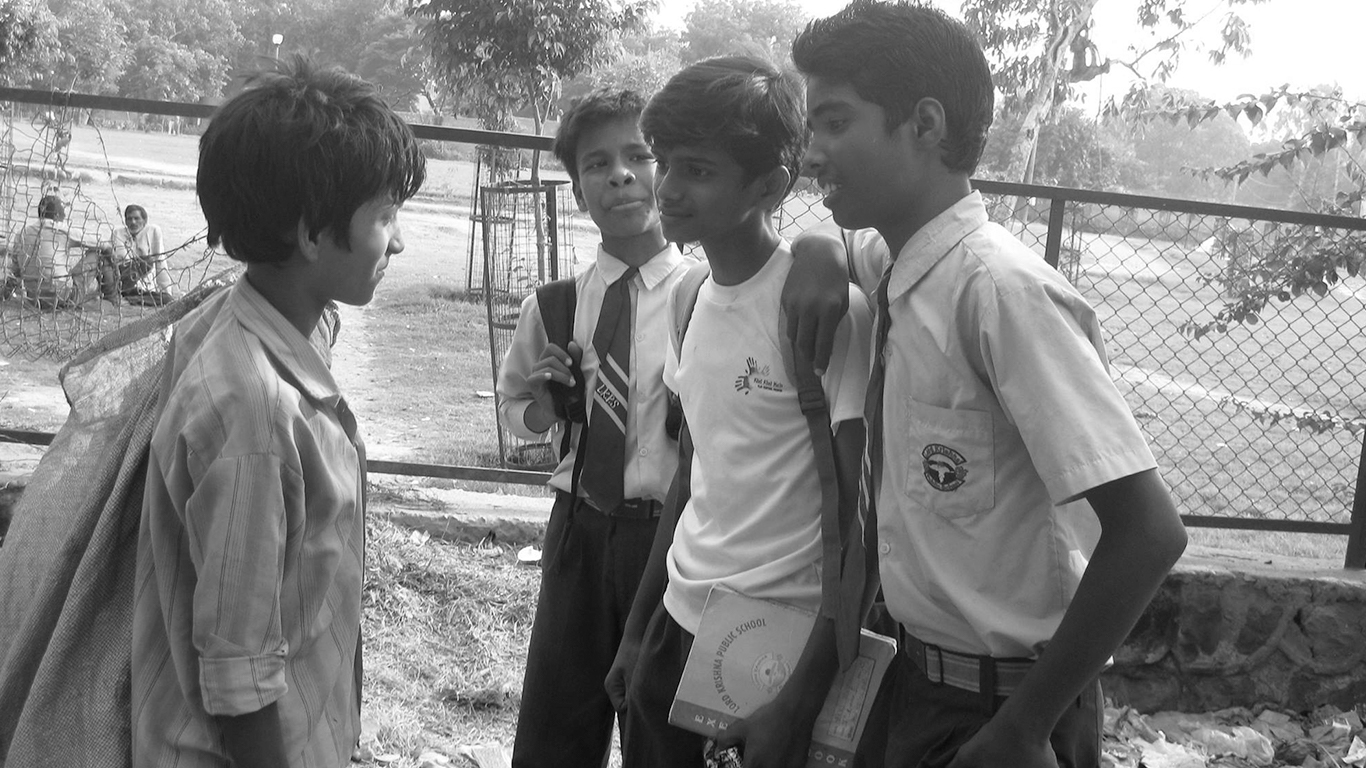
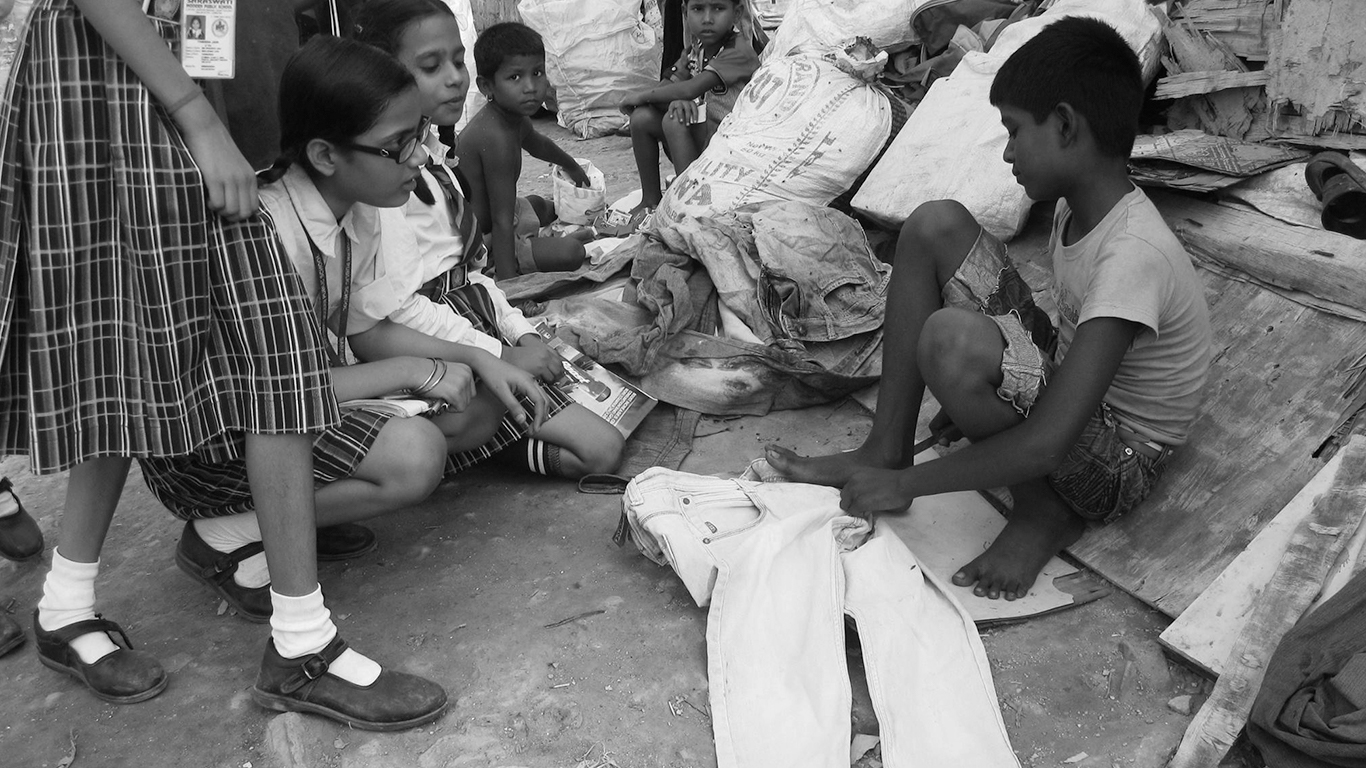
In this project, students identify a group of people they want to help or serve OR a problem in their community/neighbourhood they want to solve. They identify the specific problem in the community or determine the need of the people they want to serve. They develop a plan of action and solve the problem or fulfill the need. For CaL, we want students to go beyond fund-raising to actually implementing actionable steps.
We will NOT accept service projects that are only limited to fund raising.
Teacher Mentors: This is a great project for any subject teacher to mentor.
End Product: Students submit a video that captures the objective of the project, the plan of action and the impact created, as per the CaL service project rubric.

Maker Project
Click here to check the theme for Year 2026-27
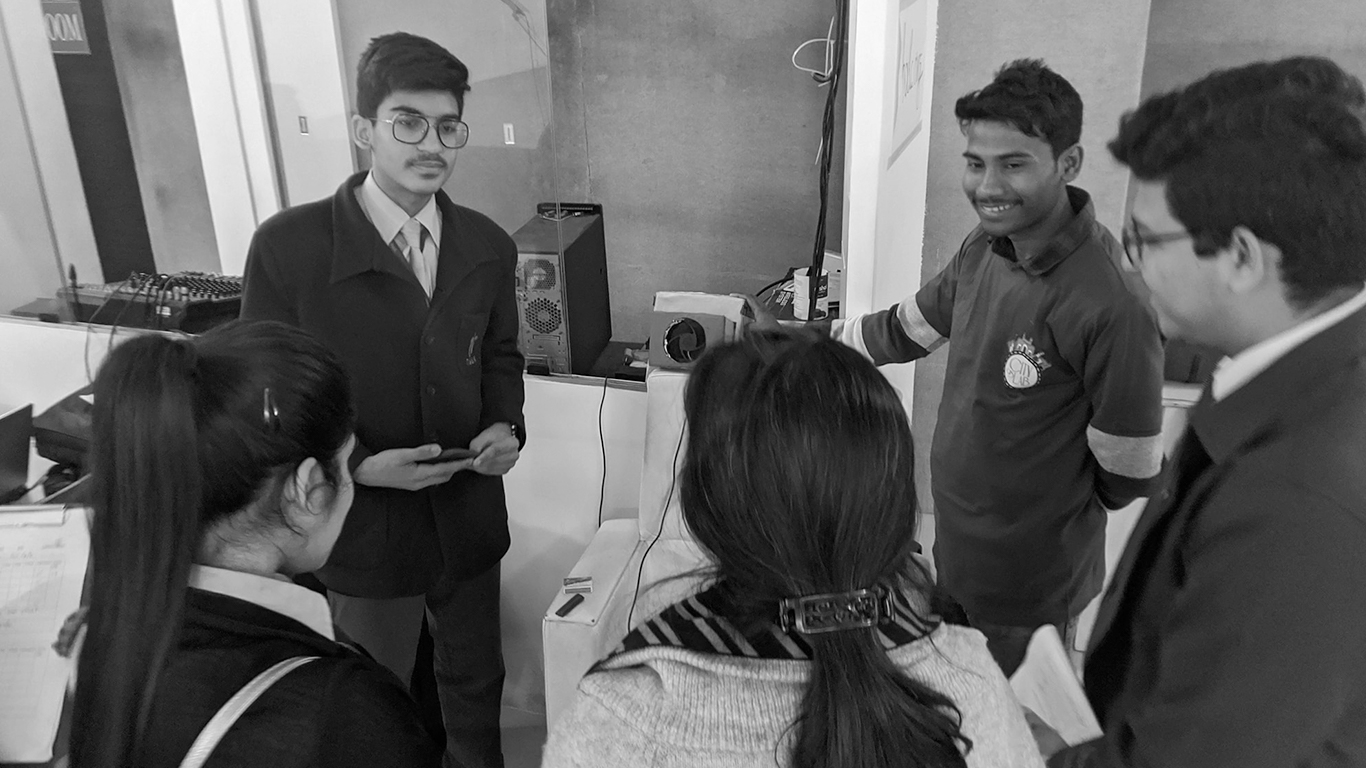
In this project, students design a working prototype solution for a relevant problem being faced by their city/community. The problem being addressed has to be related to United Nation’s Sustainable Development Goal 11: Sustainable Cities and Communities” The prototype must be tested before submitting the final product.
Teacher Mentor: This is a great project for STEM/Maker teachers to mentor.
End Product: Students submit a video AND a report in Hindi or English as per the CaL rubric.
Photography Project:
The Theme for 2026-27 is Nature’s Palette: Capturing the Biodiversity of Our City
This theme invites students to become explorers of the natural world hidden within their own urban landscapes. Through photography, observation, and research, students will document the native plants, animals, and ecosystems that shape their city’s ecological identity. More than simply taking beautiful pictures, this theme encourages students to understand the relationship between biodiversity, geography, culture, and conservation. Each photograph becomes both artistic expression and environmental storytelling – a way of noticing, documenting, and protecting the living world around us. Because even in the busiest cities, nature is everywhere for those who learn to look closely.
Teacher Mentor: This is a great project for teachers passionate about photography or art teachers willing to explore a new medium.
End Product: Students submit a series of 7 photographs along with a technical, descriptive and reflective report as per the CaL guidelines.