
Lesson Plan 14
Data analysis
- Objective:
Students analyse their data and start structuring it in a presentable form.
- Resources (Teachers):
- Resources (Students):
- CaL Note Book
- Pencil/Pen
- Blackboard + Chalk
- Time: 2 Periods (45 min)
- Plan:
TEACHERS PLEASE NOTE:
The main purpose of data analysis is to find the PATTERNS or TRENDS in the data that will help us answer the research question. This is a HUGELY important 21st century skill and a measure of intelligence.
This is the CRUX of your project. Even if your data collection plan was sound and students collected sufficient, reliable data, this step could make or break the entire paper. Please ensure that you are providing enough support and guidance at this point.
- Period 1
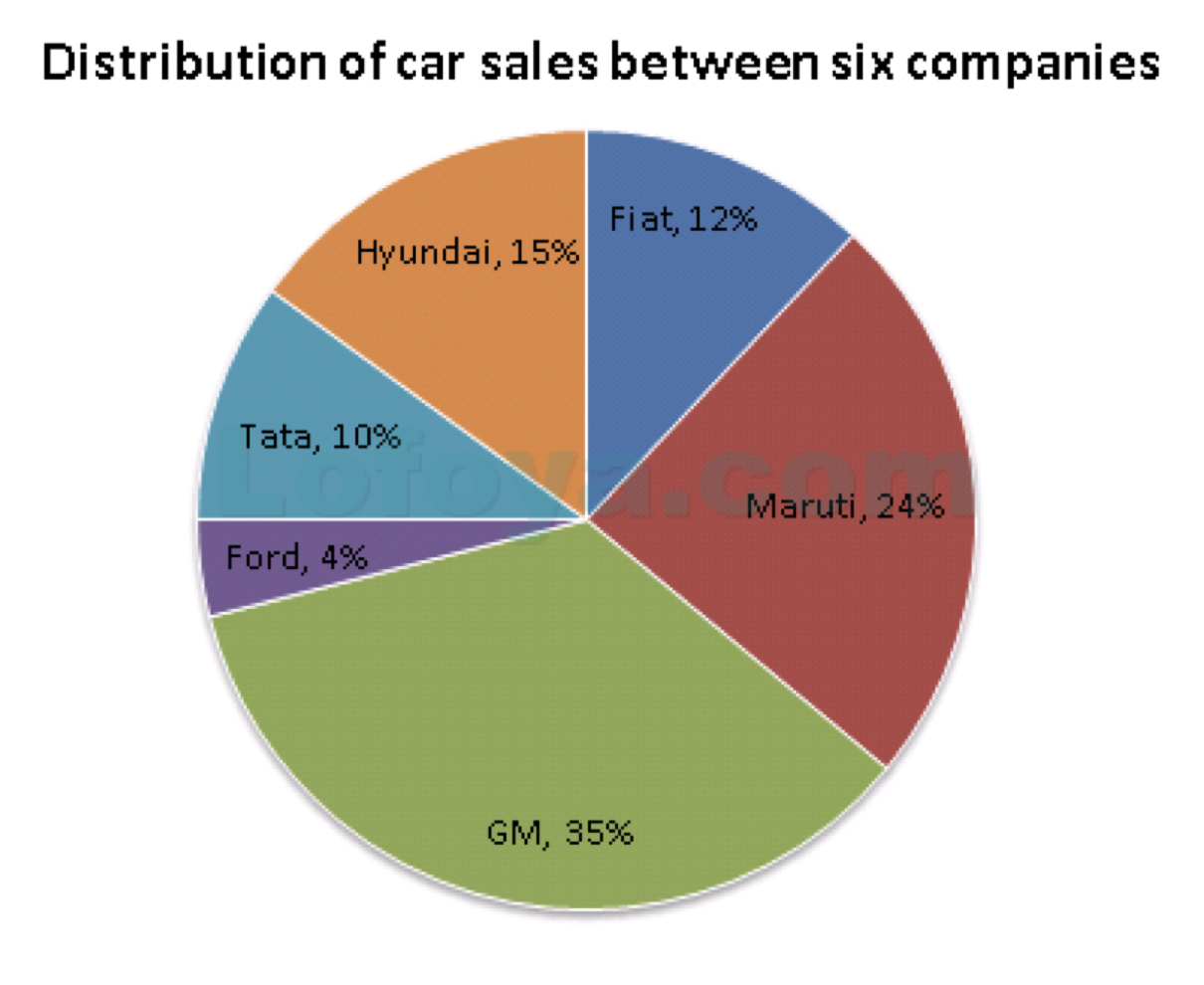
Step 1: Divide students into groups of 4. Give each group the print of the data presented in different forms. Ask students to infer the information and present to the class. Below are some examples of different types of data that you can use with your students for this exercise.
A. Graphs and Tables
No. of people using purified water Vs No. of use municipality water
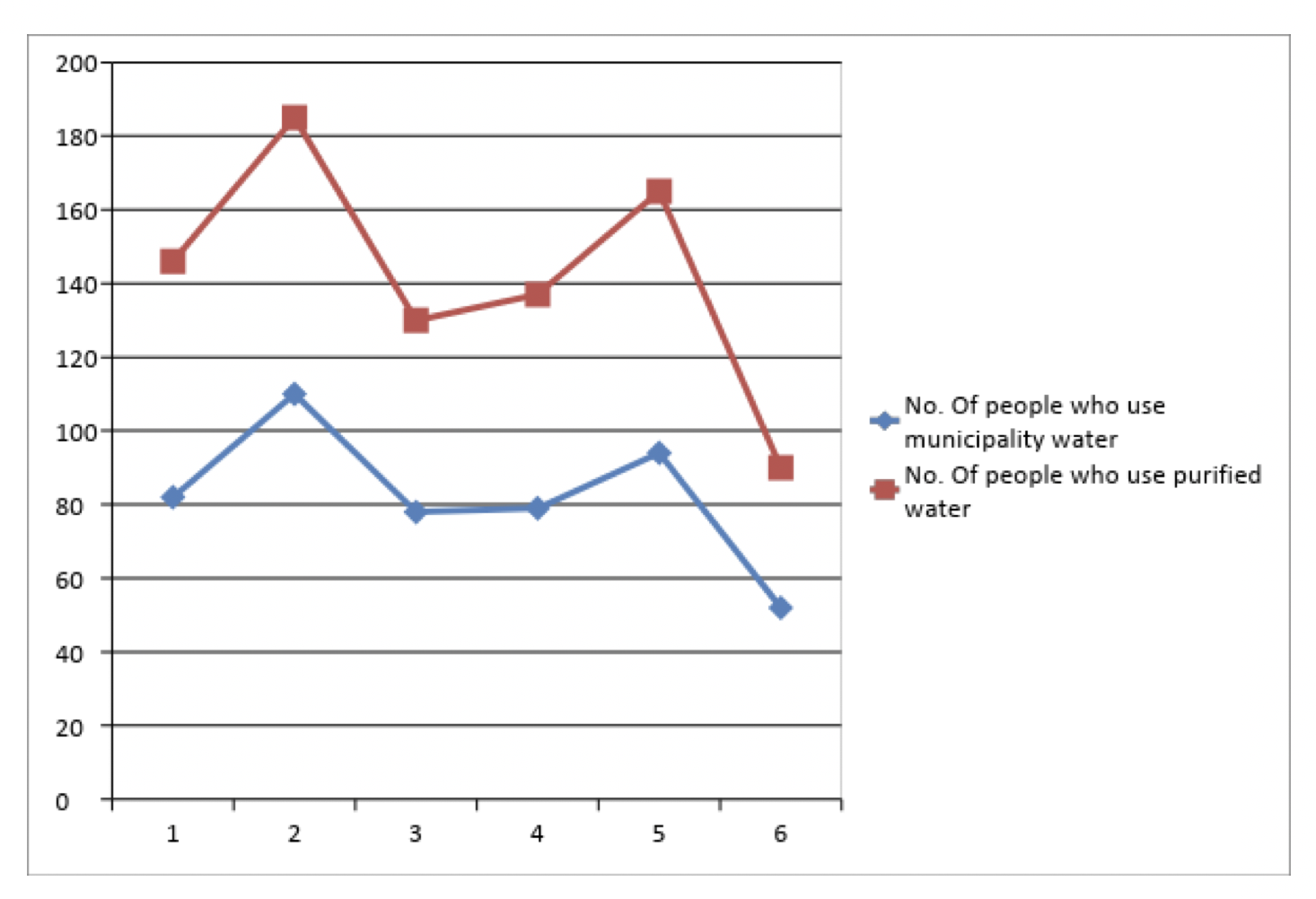
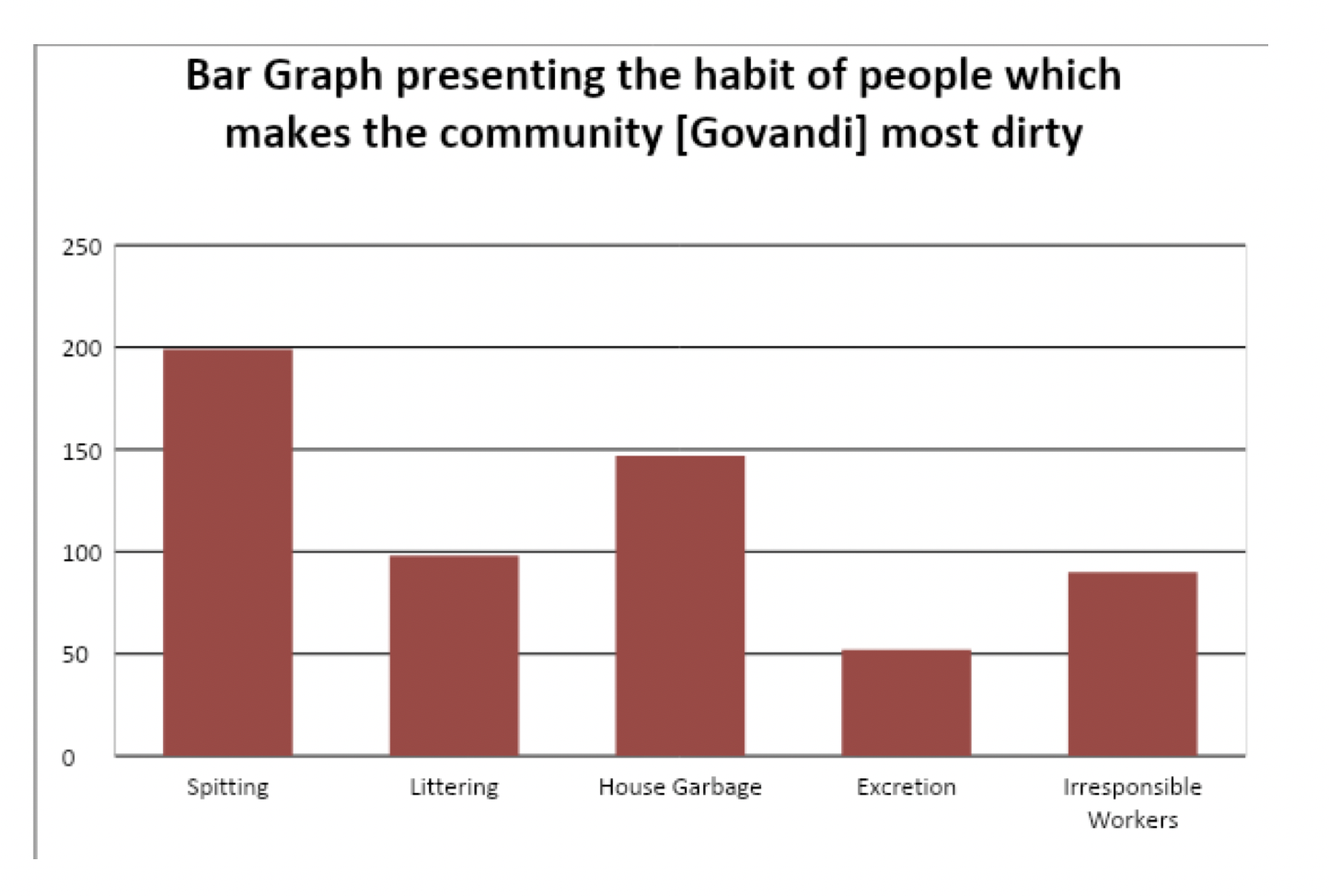
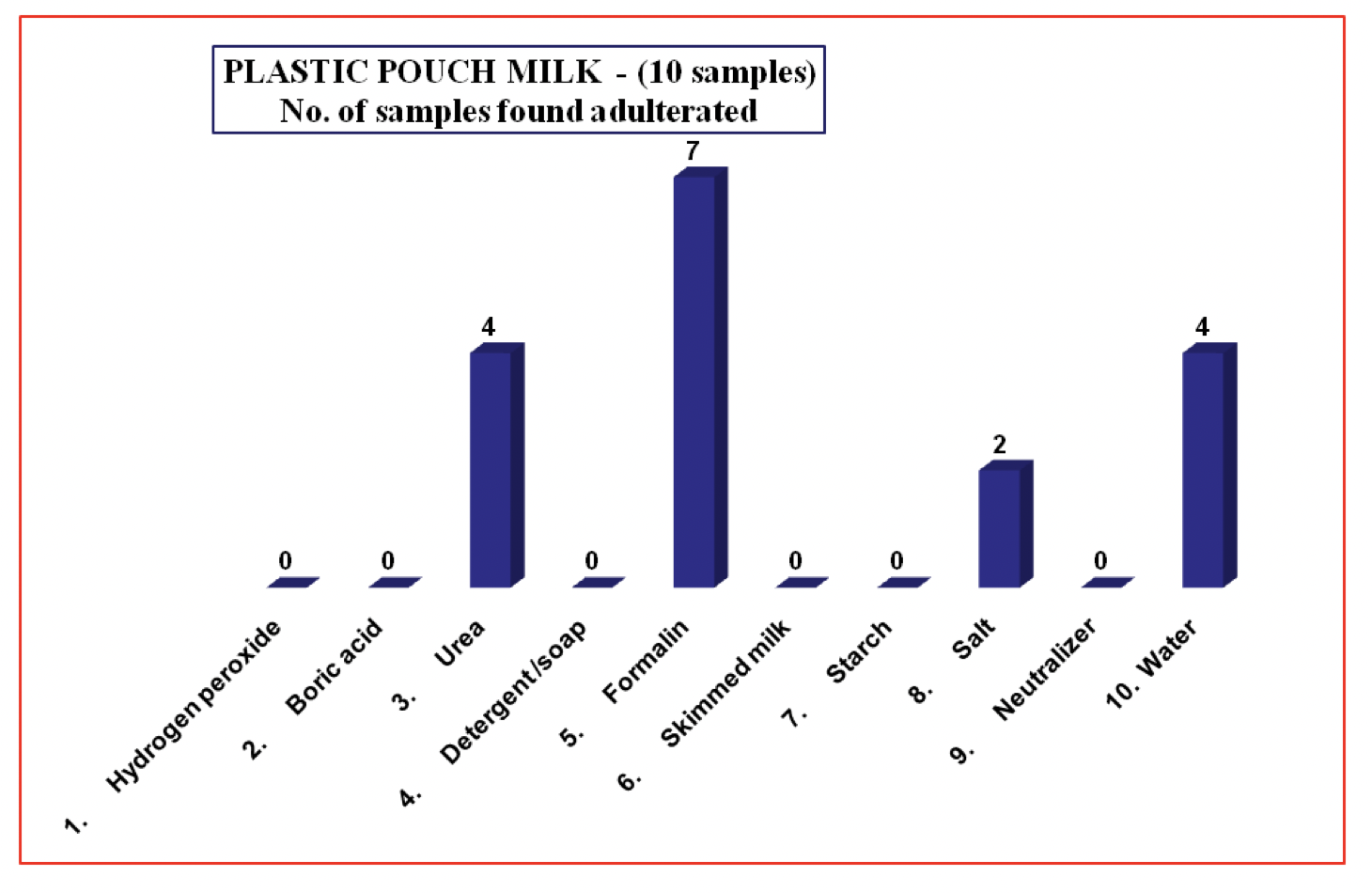
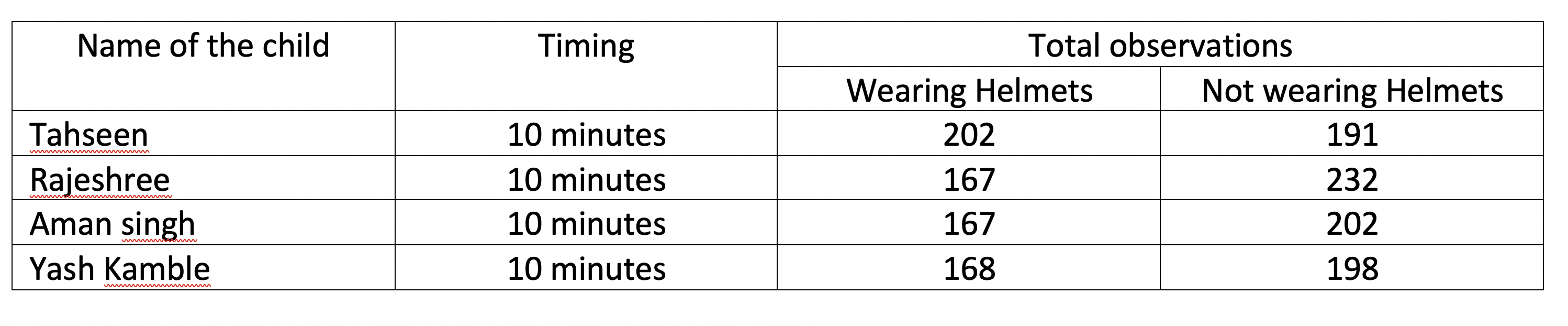
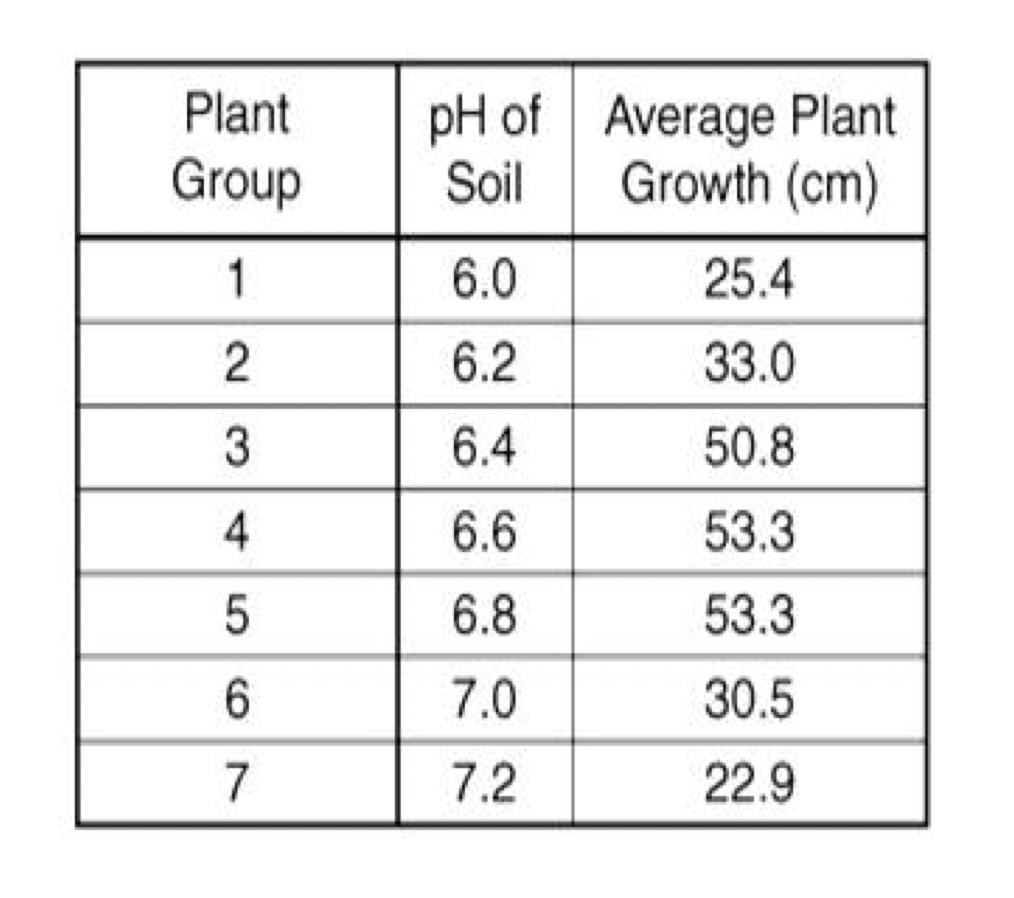
If possible present the data into graphical representation. Students can select bar, line or pie graph depend on their data.
B. Analysis of interview or Survey questions
- it’s important that you follow certain guidelines for how to analyze your interviews question. Doing a proper analysis is important for the validity of your results.
- Ask students to Search for the key points or patterns to find the answers of the interview questions.
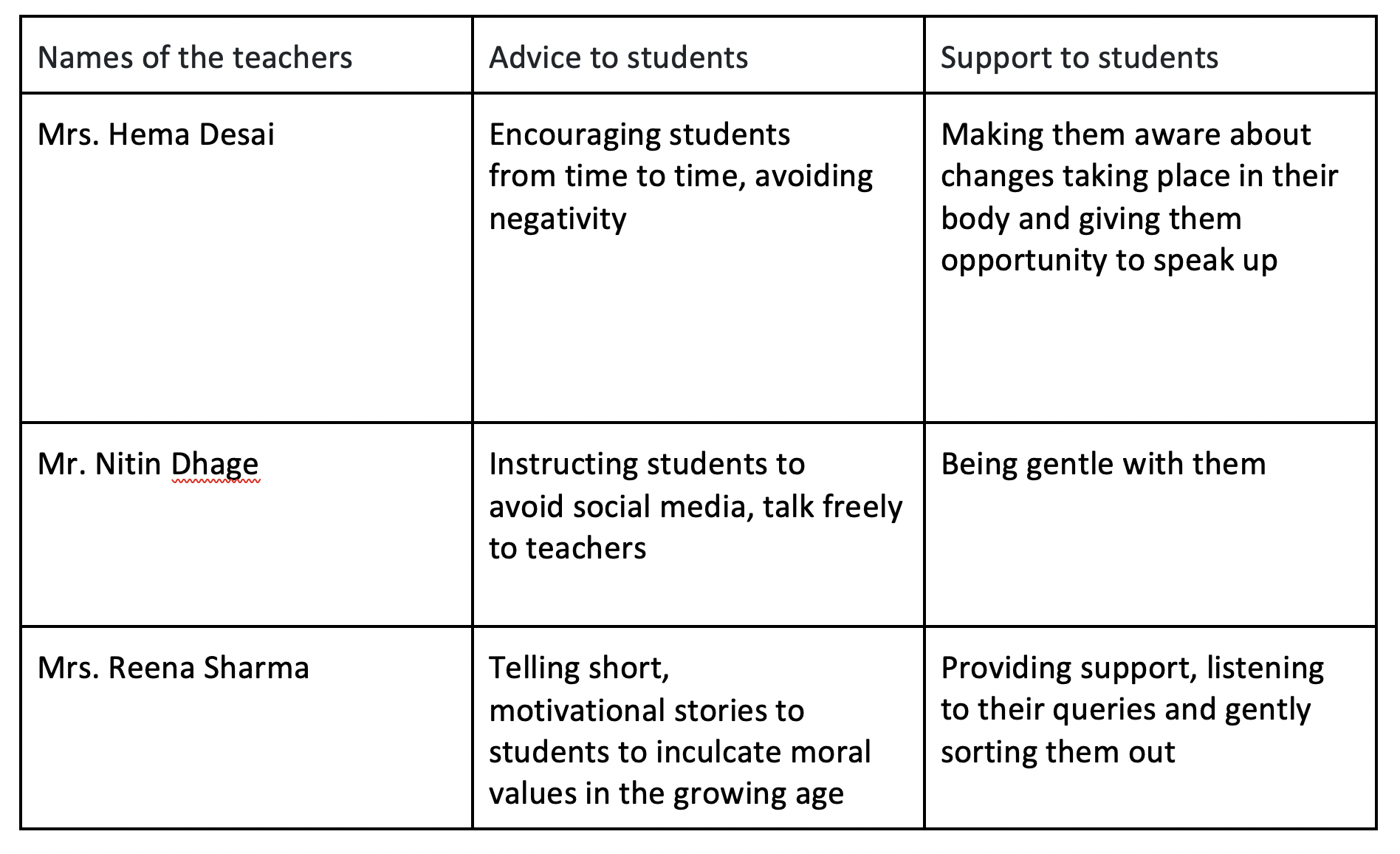
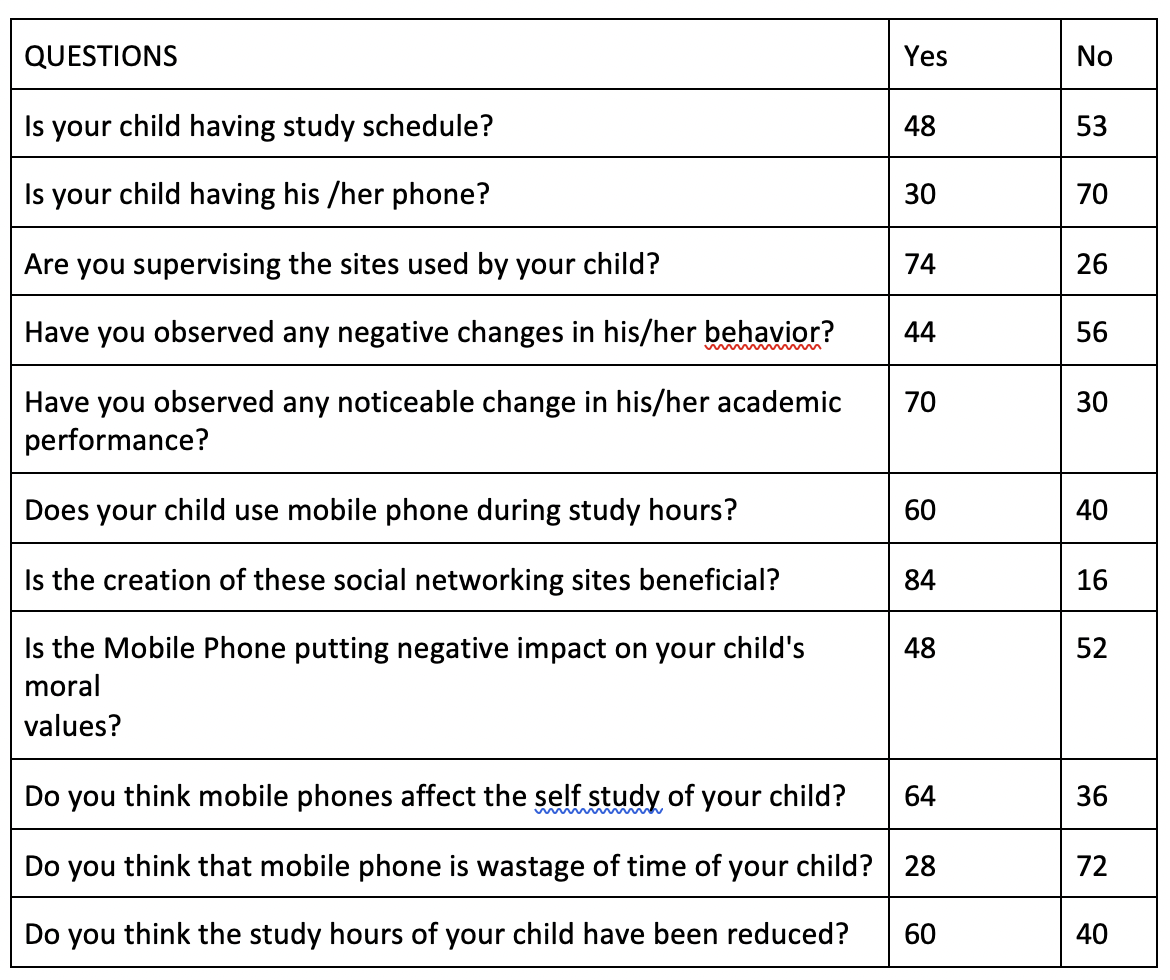
- Ask students to present the interview data into tabular form.
Examples of the interview data presented in tabular form:
- Interviews with teachers on their ways to manage teenage aggression, guide the students and provide positive environment are
- Survey with 100 parents on the disadvantages of addiction of smartphone if it is given to students at an early age.
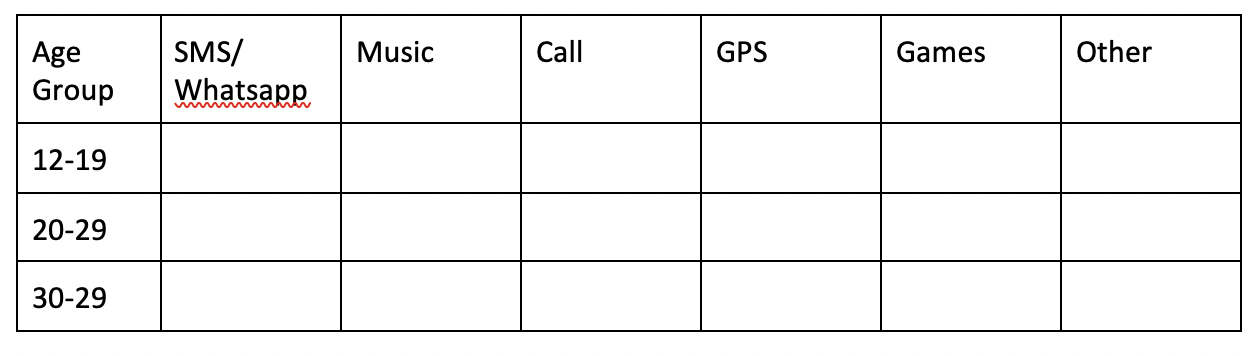
C. Analysis of data based on the observation:
a. Tabular form
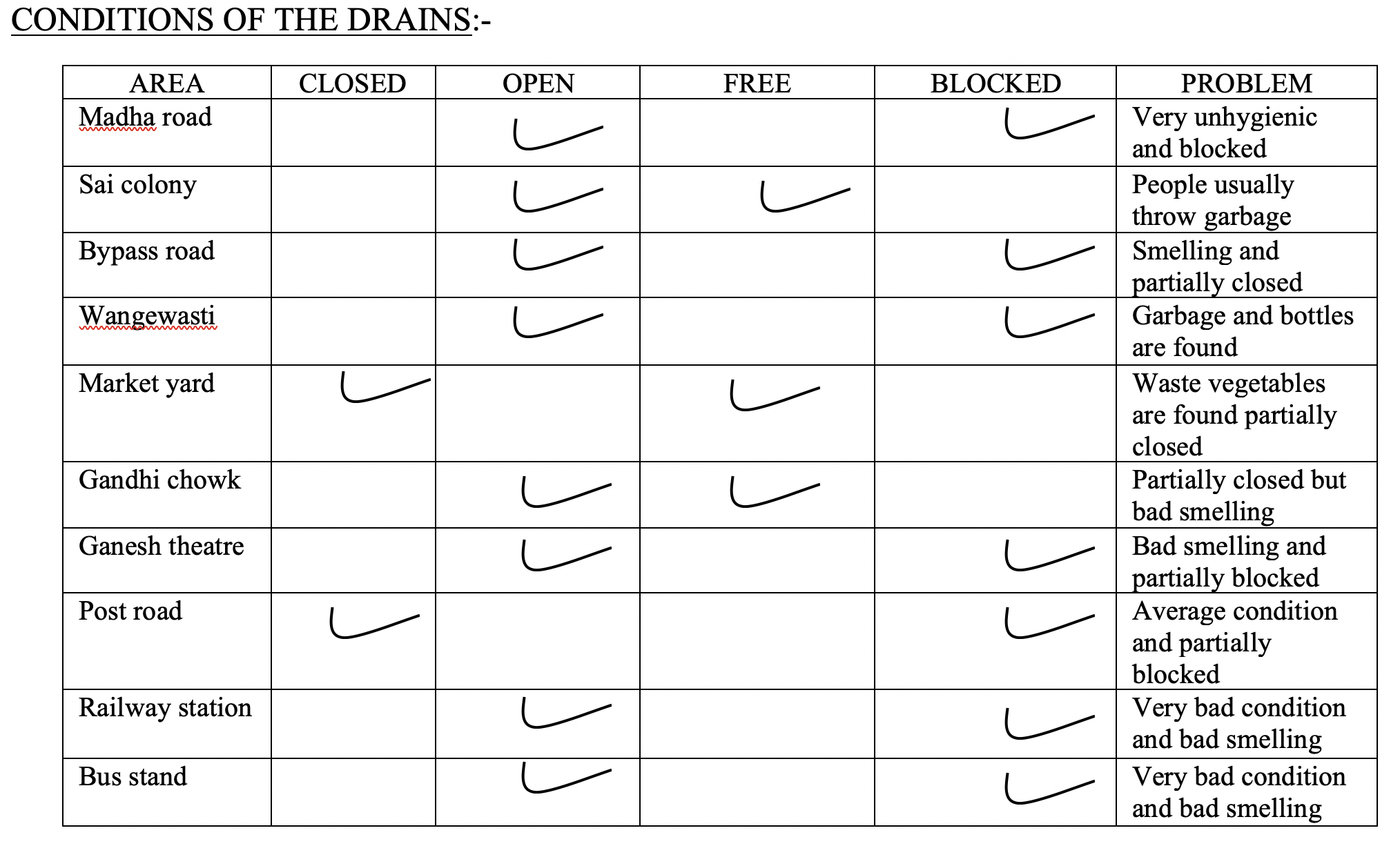
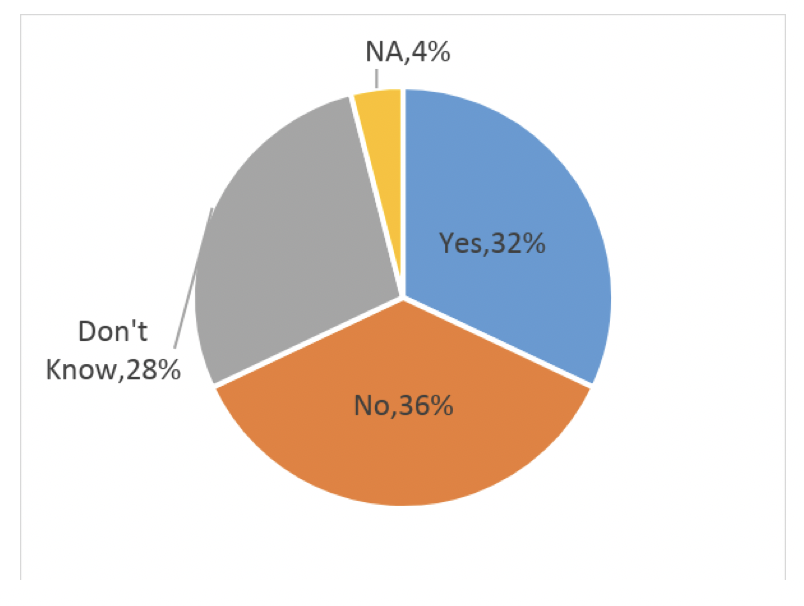
Presence of Portable Water in the cages of the animals
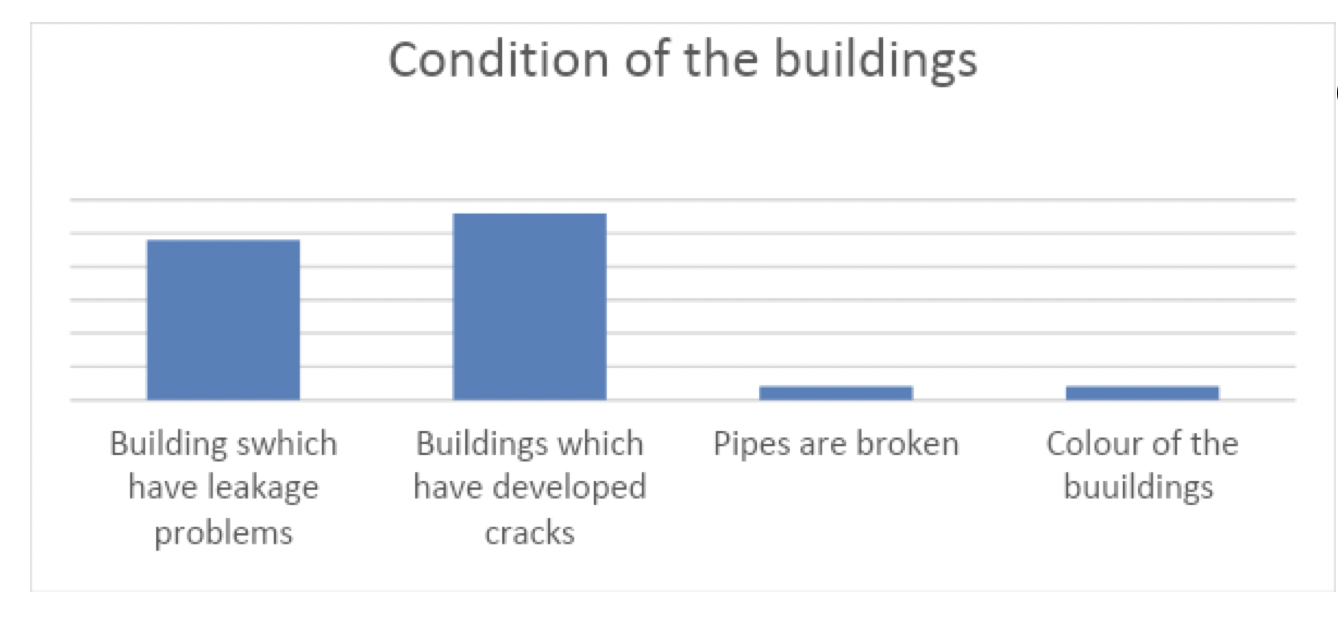
Conditions of building in Lower Parel area
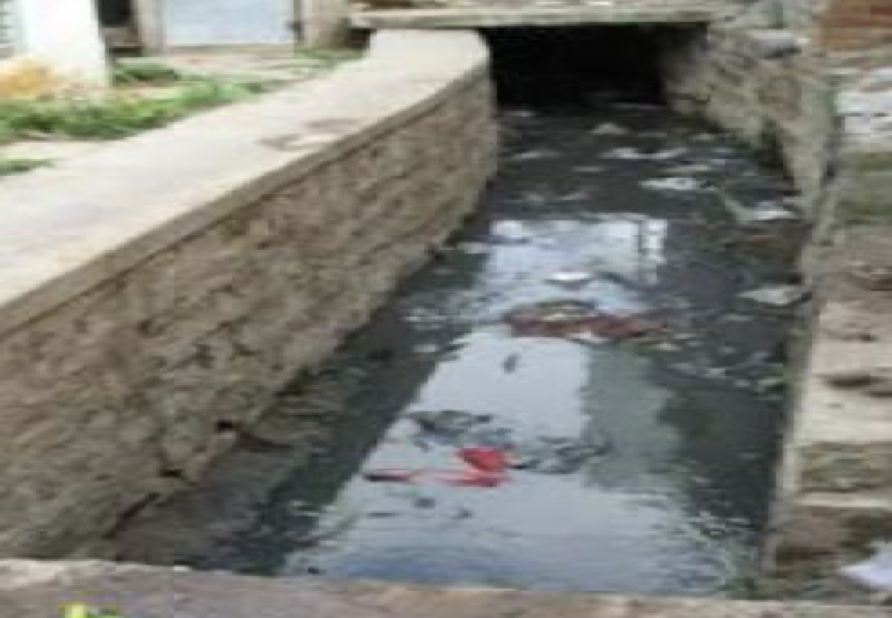
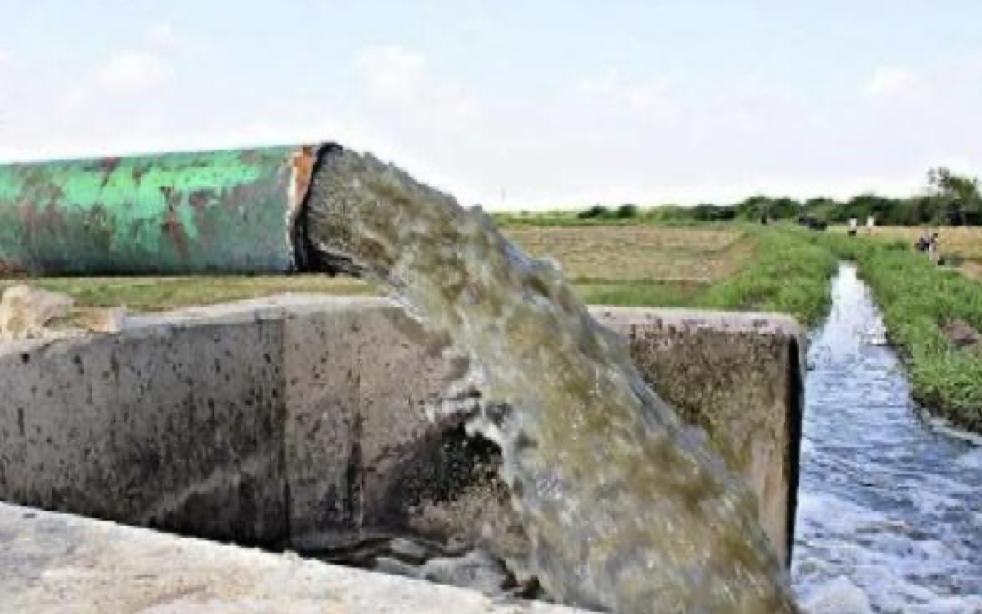
c. Photographs can also be put in the paper to explain the observation.
The drainage system of our city

D. Analysis of data based on experiment:
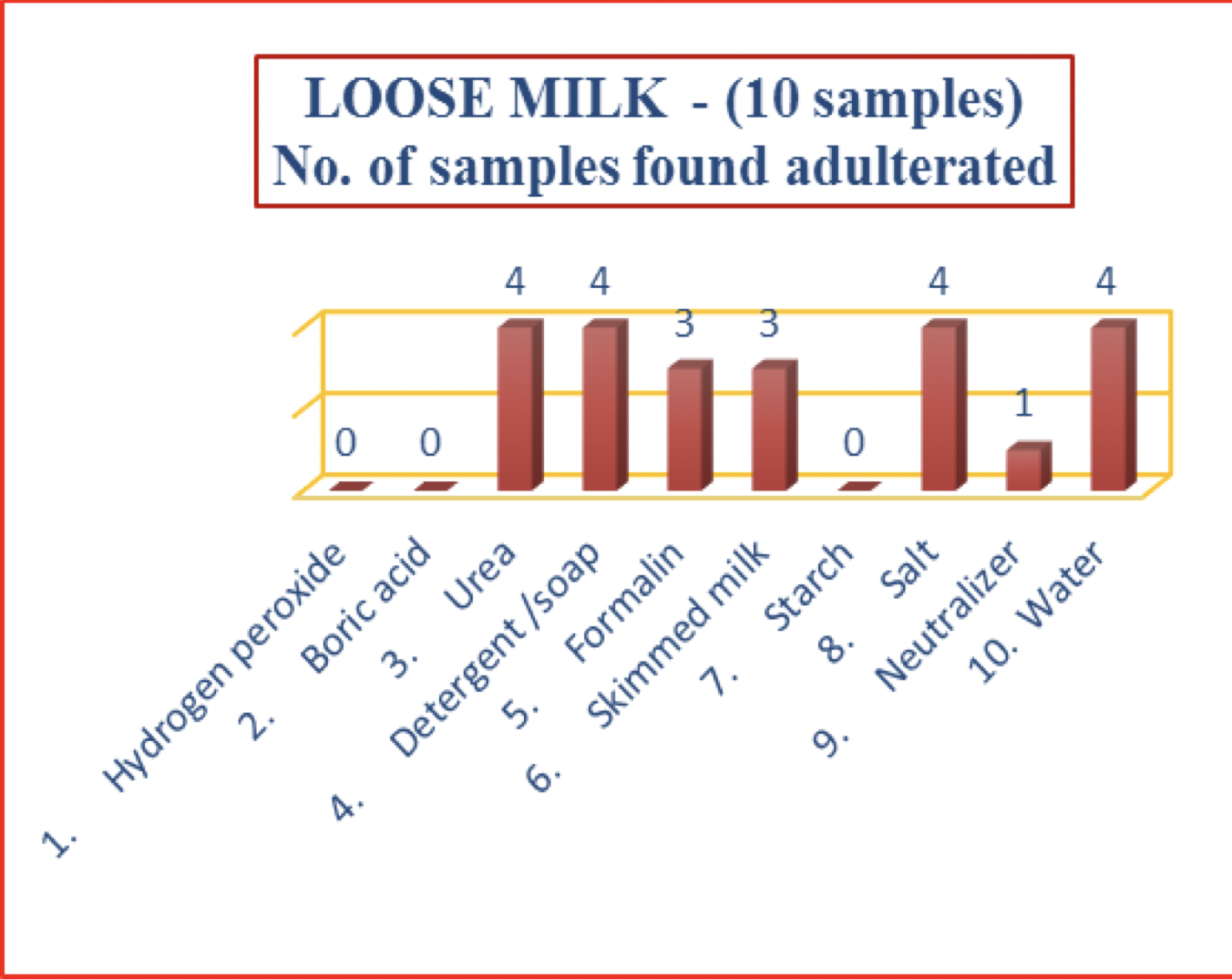
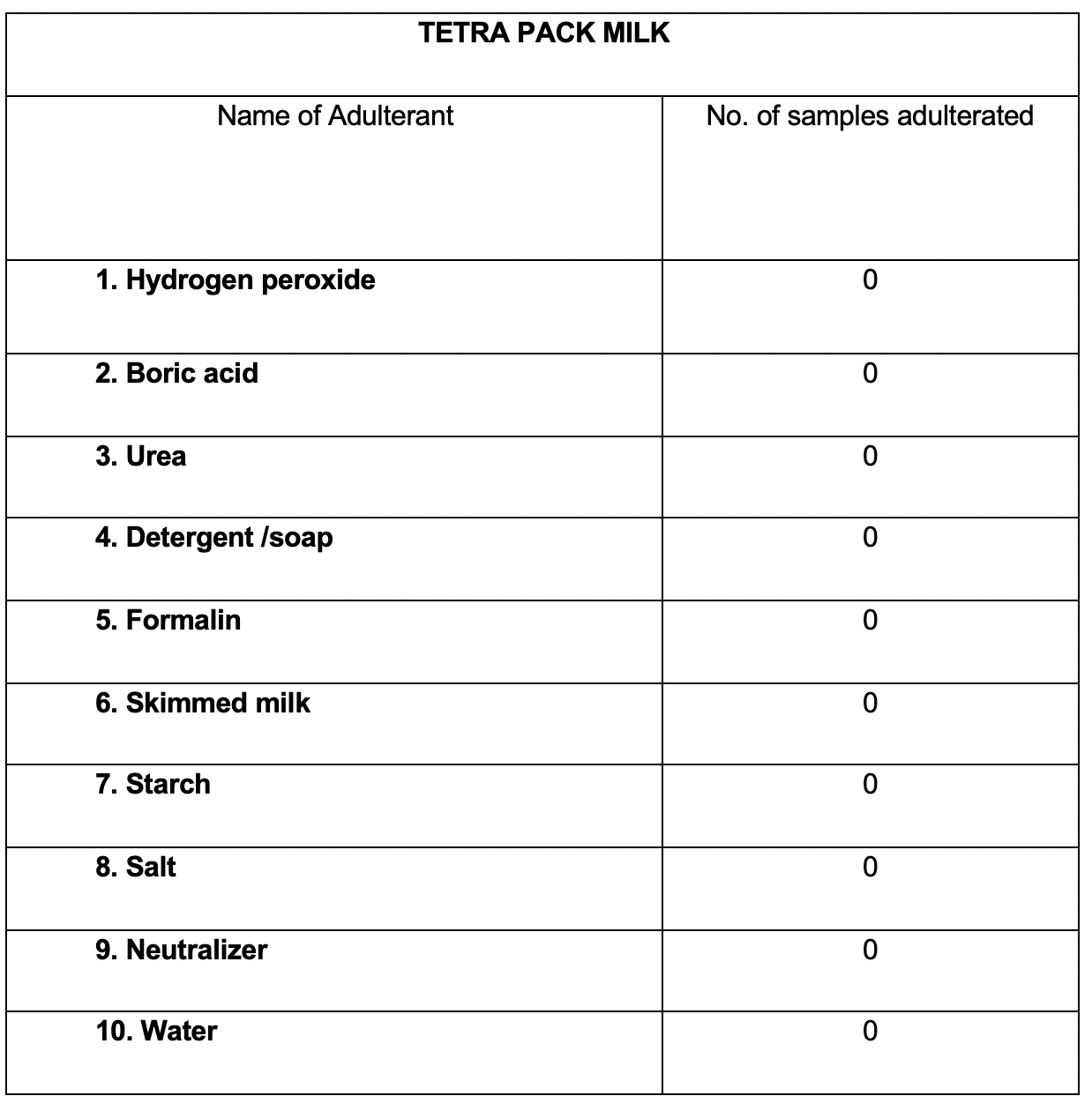
The data can be shown in the form of a graph or table.
Step 2: Do a whole class lesson on each type of data analysis. You can teach students how to plot line graph, bar graph pie chart and present information in tabular form. You can skip this part of the lesson if they already know the information.
- Period 2
Step 3: Ask students to present their data to you. If students have collected their data individually then ask them to consolidate their data in their group. You can choose to structure this part of the lesson in any of the following ways.
- Meet with groups that have similar types of data (e.g., all groups that have done experiments) together while other kids are working on other assignments and teach THAT group how to analyze observational data.
- Set up individual consultations with each group for 15 min and teach that group how to start analyzing their data. When you have met with all groups, give the whole class an entire period to do it together while you just go around helping them.
- Set up stations and ask groups with similar kinds of data to be at their respective stations and have stepwise instructions written down.
- Next Steps
Students will start writing their research paper once they compile and analyse their data.